
 Reviewed by Daniel · El Albir resident since 2007 · Updated November 2026 · Write to me
If you’re after fine sand and a lively scene, this isn’t your beach. Playa de la Olla is pebbles, clean water and peace and quiet. No promenade, no crowds and no posing.
Contents
ToggleThat said: if you like snorkelling, kayaking and beaches with character, it’s one of the best you’ll find in Altea.
It lies at the northern end of the municipality, near the River Algar, and is part of one of the most interesting stretches for swimming on the Costa Blanca. If you want to compare it with other options, have a look at ALTEA BEACHES | Guide to Coves and Beaches.
✔ Type of beach: pebbles (rounded stones and gravel)
✔ Water: very clean and clear
✔ Atmosphere: quiet, never crowded
✔ Ideal for: snorkelling, kayaking and switching off
Not for you if you want: fine sand, a seafront promenade or lots of buzz
Is La Olla beach worth it?
Yes, if you want a beach that’s quieter than average in Altea, with clean water and great snorkelling. Less so if you prefer fine sand, a lively promenade or a beach where you can comfortably lie down without water shoes.
La Olla has plenty of charm, but it isn’t an “easy” beach. When you come knowing what to expect, there’s a good chance you’ll be back.
What La Olla beach is like
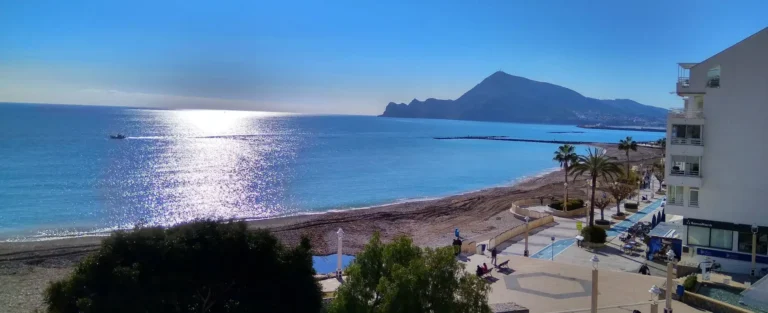
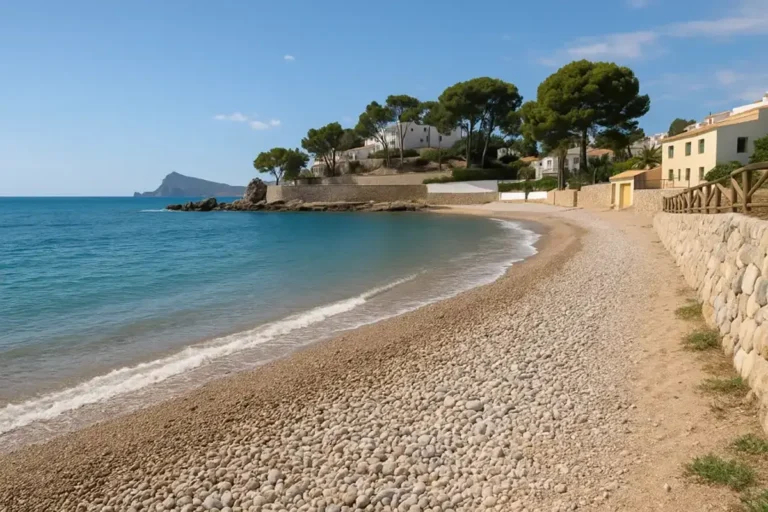
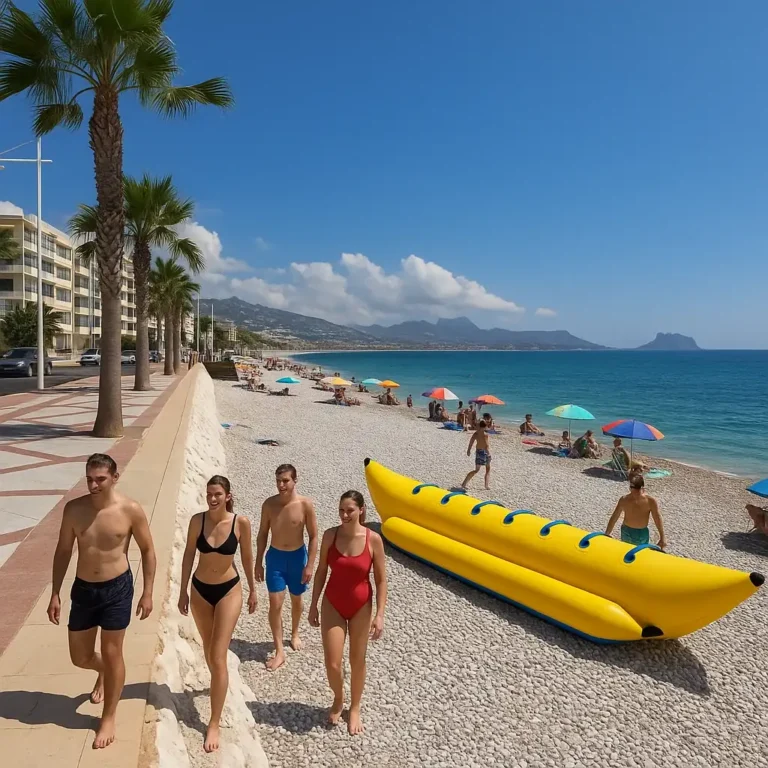
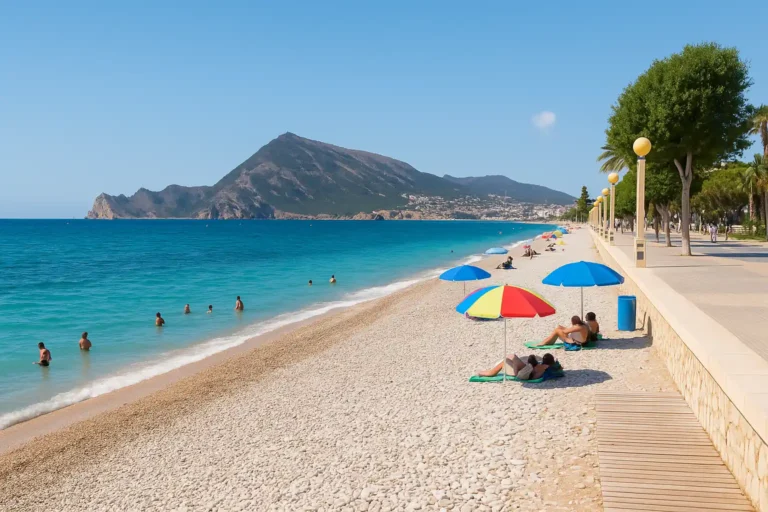
Before you come, be clear on this: Playa de la Olla isn’t a typical sandy beach. It’s a pebble beach, quiet and with very clean water, better suited to switching off than to a day out with lots going on.
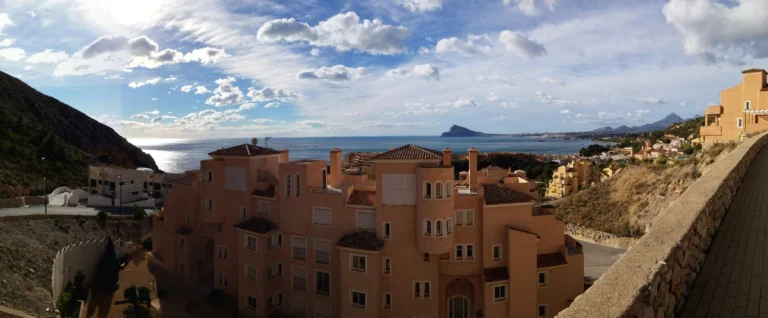
It’s around 1,400 metres long and sits north of Altea, between the mouth of the River Algar and the Galera del Mar area. Unlike more urban beaches such as Playa de la Roda, or more exposed ones like Cap Negret, the setting here is more natural and far less crowded.
The ground is rounded stones and gravel, so it’s not the most comfortable beach if you just want to stretch out. But that same feature is what keeps the water so clear and the atmosphere so much more relaxed. If you’d rather have fine sand and an easier beach, look at options like Albir Beach, which is more comfortable and has more facilities.
One of La Olla’s great strengths is the sea itself. The water is usually very clean and calm, which makes it one of the best spots on the coast for snorkelling without having to swim far. Just a few metres from the shore are the islets of L’Illeta and L’Illot, a perfect setting for exploring the seabed.
There’s no grand promenade and no heavy tourist scene here. What you’ll usually see is people walking along the shore, paddleboarding or simply sitting on the rocks looking out to sea. It’s not a beach for everyone, but those it suits tend to come back.
How it compares with other Altea beaches
If you’re torn between several Altea beaches, this is where it becomes clear which one to choose for what you want. They’re not all the same, and Playa de la Olla stands out precisely for that middle ground between nature and comfort.
Compared with more urban options like Playa de la Roda, or more open and windy ones like Cap Negret, La Olla is a quieter beach, with fewer people and better for switching off. If you want to see all the options together, check the full guide to Altea’s beaches, where each area is explained in detail.
- Playa de la Olla → gravel and rounded stones, quiet atmosphere, with beach bars and basic facilities. Ideal for snorkelling, kayaking and relaxed plans.
- Cap Negret → larger stones, a more open area with a bit more wind. A good place for a walk and to enjoy the views.
- Playa de la Roda → a mix of sand and gravel, the busiest of the lot. It has every facility and is the best choice for families and atmosphere.
- Mascarat → rock and wilder surroundings. Very quiet, with basic facilities and good for snorkelling if you want pure nature.
In short:
La Olla is the best choice if you want peace and quiet without giving up some facilities
La Roda works better if you want atmosphere and sand
Cap Negret is more open and gets more swell
Mascarat is the wildest and least equipped
If you want to see each beach in detail, here are the full guides:
Nature, seabed and snorkelling area
One of the big reasons to come to Playa de la Olla isn’t on the surface but under the water. It’s one of the best spots in Altea for snorkelling without having to leave the shore far behind.
The water is usually very clear and calm, so you can easily see the seabed. You’ll find rocky areas, seagrass meadows and small shoals of fish, a fairly complete setting to explore even if you have no experience.
The best snorkelling spots are near the islets of L’Illeta and L’Illot, where the water tends to be cleaner and there’s more marine life. Even so, you can get in from almost anywhere on the beach and see interesting things.
To round off the experience, this area is part of the surroundings of the Serra Gelada Natural Park, where you’ll also find trails and wilder coves if you fancy exploring beyond the beach.
What you’ll find under the water:
Clean, fairly calm water for most of the year
Varied seabed: rock, sand and seagrass areas
Good visibility in normal conditions
Small fish, starfish and basic marine life
Areas suitable for both beginners and experienced snorkellers
Quick tips to make the most of it:
Wear water shoes: they make getting in easier and stop you slipping
Use a mask and snorkel: it completely changes the experience
Avoid stirring up the seabed or stepping on the seagrass
Don’t feed the fish or take anything away
It’s an easy place to enjoy, but also a fragile one, so it’s worth looking after it so it stays that way.

La Olla islet: kayak route, snorkelling and important rules
A few metres from the shore lies one of this beach’s most distinctive spots: La Olla islet. It’s a small island clearly visible from the coast and one of the most visited places for anyone coming to this area.
Getting out to the islet is one of the classic things to do here, especially in summer. It’s not difficult, but it’s worth doing sensibly.
How to get to the islet:
By kayak or paddleboard (the most comfortable and safest option)
Swimming with a safety buoy if you’re experienced and the sea is calm
Once there, it’s one of the best snorkelling spots on the whole beach. The water is usually clearer and there’s more marine life than by the shore.
Going round the islet by kayak or swimming is also well worth it if you like exploring. It’s a very photogenic spot and different from the rest of the beach.
Bear in mind, though, that it’s part of the protected area of the Serra Gelada Natural Park, so there are certain rules worth respecting.
Important rules on the islet:
Don’t anchor boats outside the permitted areas
No fires and no camping
Don’t leave any rubbish
Avoid stepping on the seagrass
Don’t feed the fish or disturb the wildlife
They’re basic rules, but important for keeping this place as it is.
Practical tip:
If you go by kayak or paddleboard, the best thing is to circle the islet and stop where the water is clearest. That’s usually where you’ll see more of the seabed and more marine life.
How to get there and where to park
Getting to Playa de la Olla is easy, but in summer parking can get tricky. Here are the best options depending on how you travel, with real tips to avoid driving round in circles.
By car
If you’re coming along the N-332, turn off at Hotel Villa Gadea or follow the signs for “La Olla”. There’s a small car park near the beach, but in summer it fills up very quickly. If you arrive after 10:00, you probably won’t find a space.
The best option in high season is to park on the inner streets of the Galera del Mar development and walk about 5 minutes to the beach. It’s what most people who know the area do.
By TRAM
If you don’t want the hassle of the car, the TRAM is probably the most comfortable option. Line 9 stops at “Olla de Altea”, about a five-minute walk from the beach.
You avoid traffic jams, you avoid circling for a parking space and you arrive straight there. It’s especially handy if you’re moving between Benidorm, Altea and the Albirarea.
On foot or by bike
If you’re in Altea, you can walk there in about 30–35 minutes along the coastal path. It’s a pleasant walk, with sea views for almost the whole way.
It’s also a good option by bike if you want to get around without relying on the car. In fact, many people combine this walk with a visit to the old town or to other nearby beaches, which you can find in the guide to what to see in Altea.
Alternative parking areas
If the main car park is full, try:
The inner streets of the Porto Senso area
The dirt car park next to Hotel Villa Gadea
The Campomanes marina area (about 10 minutes on foot)
These alternatives let you skip the long waits of those trying to park right by the beach.
Facilities at La Olla beach
Playa de la Olla has facilities, but don’t expect the level of an urban beach. It strikes a rather nice balance: comfortable enough to spend the day, without losing its natural character.
In the area you’ll find the basics to be comfortable:
Access walkways along some stretches
Foot showers
Bins and signage
Lifeguard service in high season (July and August)
Along the beach there are several beach bars where you can eat or have a drink. They’re simple, but they do the job: cold drinks, tapas, rice dishes and quick options so you don’t have to move.
One of the best known is El Chiringuito Altea, right on the seafront with direct views of the islets. It’s very popular for its relaxed atmosphere and location, especially in summer.
If you want more variety or fuller restaurants, it’s best to head towards the centre and look at the options in the guide to restaurants in Altea, which covers everything from simple spots to more refined restaurants.
Worth bearing in mind:
There’s no big promenade and no large-scale facilities
It’s not a beach designed for families looking for maximum comfort
It’s not officially dog-friendly (check the rules if you’re going with a dog)
As for accommodation, there are no hotels right on the beach, but there are some very close by. Options such as the Cap Negret area or the Galera del Mar apartments let you stay just a few minutes’ walk away.
Practical tips and what to bring to La Olla beach
Playa de la Olla changes a lot depending on whether you come prepared or not. Because it’s a pebble beach, small details make the difference between enjoying it and being uncomfortable.
What to bring, no matter what:
Water shoes: practically essential for getting in and out of the water without discomfort
Snorkelling goggles: the seabed is worth it, this isn’t a beach just for a dip
Water and sun protection: there are very few areas of natural shade
A thick towel or a mat: far more comfortable than a thin towel on gravel
Practical tips that make a difference:
If you’re with children, the central area is better, as the way into the water is more gradual
If you’re kayaking or paddleboarding, use water-resistant sun cream
Avoid the middle of the day if you’re not used to it: the heat and lack of shade really show
Wear shoes that are easy to slip on and off: it’s not like a sandy beach
They’re simple things, but they change the experience quite a lot. La Olla isn’t uncomfortable, but it’s not the kind of beach you can turn up at without thinking either.
Where to eat near La Olla
After a few hours on the beach, the natural thing is to look for somewhere good to eat nearby. In this area you have several options, from simple beach bars to fuller restaurants in Altea.
If you want something quick without moving far, you can stay at the beach bars on the beach itself. But if you fancy eating better or with more variety, it’s worth travelling a few minutes.
Some recommended places near La Olla:
Restaurante Brasería Ca Joan: well known for its chargrilled meat, a different choice if you want to get away from the usual fish
La Capella: more elaborate Mediterranean cooking, with good views and a more polished atmosphere
Restaurante L’Oustau (Altea old town): perfect for ending the day with a quieter dinner in a lovely setting
If you want more options by budget or type of food, check the full guide to restaurants in Altea, which covers everything from cheap spots to more special restaurants.
A very typical combination is: beach in the morning, a stroll through Altea’s old town in the afternoon and dinner with sea views. It’s one of the most complete plans you can do in the area.
Top activities and plans at La Olla
Playa de la Olla isn’t just for lying down. In fact, the best thing about this area is everything you can do beyond swimming, especially if you like the sea and quiet surroundings.
The most common activities here:
Snorkelling and paddleboarding: the water is usually quite clear and calm, which makes it ideal for beginners or simply for enjoying without fuss
Kayaking to the islets: one of the classic experiences. You can circle L’Illeta and L’Illot and stop where the water is cleanest
Watching the Castell de l’Olla: if you come in August, the fireworks over the sea are one of the most striking shows on the Costa Blanca
Sunset photography: the mix of rocks, islets and light makes it one of the most photogenic beaches in Altea
Walks in the area: you can combine the beach with nearby routes or a visit to the centre, using the guide to what to see in Altea
It’s also a good beach for quiet plans as a couple or with family, such as spending the day without rushing, snorkelling calmly or simply switching off. It’s not a mass-leisure beach, and that’s exactly why many people prefer it.
What visitors really say
Opinions about Playa de la Olla tend to agree on a few very clear points.
What people value most:
How quiet it is compared with other Altea beaches
How clear the water is and how well you can see the seabed
The more natural atmosphere, without crowds
Being able to snorkel without any fuss
What people like least:
The stony ground, which isn’t comfortable without water shoes
Parking in summer, which can get quite difficult
Overall, it’s a beach people really like… but above all those who know what they’re coming for.
Best time to visit La Olla beach
You can visit Playa de la Olla all year round, but it’s not the same experience in every season. Choosing the right time makes quite a difference.
From May to September is when swimming is most enjoyable, with pleasant temperatures and the water in good condition. It’s the fullest season if you want to make the most of the beach.
August is the liveliest month, mainly because of the Castell de l’Olla. It’s a spectacular time to see the beach full of life, but also the most crowded, with parking problems and more people in general.
If you want a middle ground, June and early September are the best options. The weather is still good, the water is warm and there are far fewer people.
In winter or out of season, the beach still has its charm, but it’s more about walking, switching off or enjoying the surroundings than swimming.
Castell de l’Olla: the most spectacular show of the summer
Every August, Playa de la Olla is completely transformed by the Castell de l’Olla, one of the most impressive events on the whole Costa Blanca.
It’s not a typical fireworks display. Here the fireworks are launched from floating platforms on the sea, creating a very different visual effect, with explosions over the water and a much more immersive feel.
It’s one of the times of year when the most people gather in this area, locals and visitors alike. If you’ve never seen it, it’s worth planning your day to experience it from the beach itself.
Tips for watching it without the stress:
Arrive well in advance (from 19:00–20:00)
Avoid the car if you can: parking gets very difficult
If you come by car, park in areas like Galera del Mar or Cap Negret and walk
The TRAM is one of the best options if you want to avoid traffic jams
Bring something to sit on (a thick towel or a light chair)
If you want more comfort, book at a nearby beach bar
It’s one of those events that on its own justifies a summer visit to Playa de la Olla.
History and evolution
Altea’s Playa de la Olla has deep roots intertwined with the history of the town itself. Its name, “la Olla” (the pot), may refer to the gentle shapes of its coves or to old fishing uses linked to traditional techniques such as clay pots for catching octopus.
In the Middle Ages, this strip of coast was sparsely inhabited but strategically important, as it offered a natural lookout against attacks from the sea.
In fact, the Torre de la Galera, built in the 16th century, was meant to protect this part of the coast from raids by Barbary corsairs. Its silhouette still survives today as a reminder of that defensive era.
With the arrival of the 20th century, the area began to turn into a summer retreat for Altea’s families. It wasn’t as well known as Playa de la Roda nor did it have the bustle of the centre, but its wilder character, its views of the L’Illeta and L’Illot islets and the calm it conveys made it popular with those looking to switch off.
But the real tourist leap came at the end of the 1980s, when the Castell de l’Olla was held for the first time (1987). This fireworks display over the sea takes place every August and is one of the most spectacular events on the Costa Blanca.
Today, Playa de la Olla has established itself as one of Altea’s most recognisable beaches, precisely because of that balance between nature, basic facilities and a genuine experience. It’s not just any beach; it’s a beach with character.
Frequently asked questions about La Olla beach
Is it sandy or stony?
Mostly rounded stones and pebbles; water shoes are recommended.
Can you go with children?
Yes, although the central area is better, as getting into the water is easier there.
Is it good for snorkelling?
Very much so: there’s seagrass, fish and perfect rocky seabeds.
How do you get there by TRAM?
Get off at the “Olla de Altea” stop; it’s about a 5-minute walk.
Where can you park in high season?
Galera del Mar, Porto Senso or Villa Gadea.
Are there beach bars?
Yes, above all El Chiringuito Altea, very popular for its views and atmosphere.
Conclusion
Playa de la Olla isn’t for everyone, and that’s precisely what makes it special.
If you’re looking for fine sand, a promenade and atmosphere, there are better options in the area such as Albir Beach or Playa de la Roda. But if what you want is a quieter beach, with clean water, good snorkelling and less crowded surroundings, La Olla is a perfect fit.
If you want to see more options depending on what you’re after, take a look at the full guide to Altea’s beaches, where each area is explained in detail.
And if you’re planning your visit or want to understand what this part of the Costa Blanca is really like, you can start with the main El Albir guide, which gives you a fuller picture of beaches, routes, restaurants and plans.
It’s not the most comfortable beach, but it’s one of the most authentic in Altea. And when you come knowing what to expect, it’s very easy to want to come back.
I'm Daniel and I've lived in El Albir since 2007. LiveinAlbir.com started because so many people would stop me in the street to ask where to eat, where to stay, which areas are worth it and what living here is really like.
Questions about El Albir? Write to me and I will get back to you.