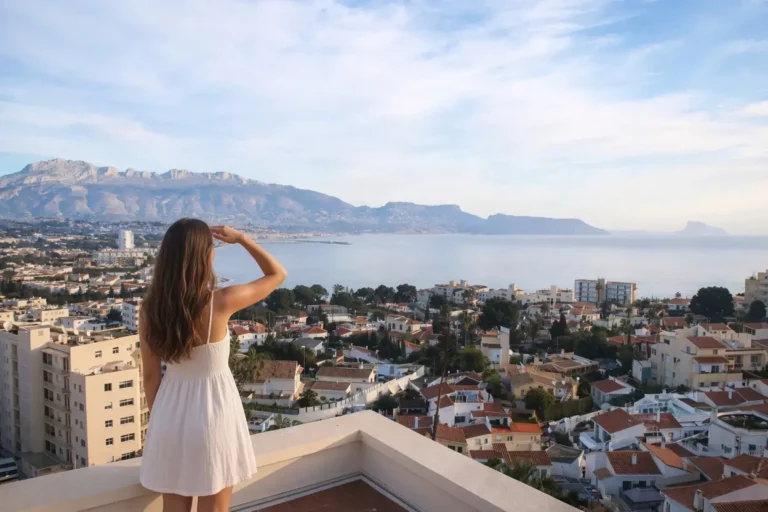

 Reviewed by Daniel · El Albir resident since 2007 · Updated November 2026 · Write to me
If you’re going to spend a few weeks or a few months in El Albir, I’d start by choosing the area carefully. Before you search for a home or look at photos of the living room and terrace, think about how you want to live those days: where you’ll walk, where you’ll do your shopping and whether you want to get around without a car. Find the area that suits you first; then the house.
Your age and how you get around matter. If you’re middle-aged and happy with ups and downs, you can look towards the Serra Gelada: it may be worth being close to the hills, even if there’s a slope on the way home. What you do a couple of times on holiday becomes your daily route when you stay for two months. Picture yourself doing it with the shopping bags too.
From 65 onwards, I’d give more weight to how comfortable those routes are and look a little further inland, for flat streets and services nearby. You don’t need to be on the seafront to enjoy the sea. Nor does getting older mean you have to give up hills: if you’re fine with them, great. The point is to choose a home that makes life easier for your whole stay.
And there’s another detail a photo of a sea-view terrace won’t tell you: damp. If you’re coming in winter, pay attention to how the home feels inside, its orientation, the ventilation and how it heats up at night. Moving a little away from the beach may suit what you’re looking for better, but check the specific house. Then look at how you’ll get around and where you’ll shop. You’ll find the promenade and the terraces as you go.
I’m Daniel and I’ve lived here since 2007. I’ve gathered the guides that help you prepare for a season and get into the rhythm of the town once you properly unpack.
Before you book: check the full dates of your stay, the total price, what bills are included and the departure conditions. Also look at the real route from the home to the shops, the bus stop and the sea. An address that looks close on the map can change your routine quite a bit.
Climate and winter: choose when to come
Don’t prepare for January the same way as for August. Start with the climate guide to get your bearings and, if you’re coming for the winter, carry on with the one on winter life: how the town feels when the summer pace slows down.
I’d ask about the heating, orientation and insulation of the accommodation before deciding. Spending an afternoon in the sun and being comfortable at home at night are two different things.

Accommodation for weeks or months
For a long stay, think about the life you want to lead each day: cooking, doing the washing, working from home or walking down for a coffee. Ask them to confirm the kitchen, washing machine, internet connection and bills before taking anything as included.
The rental guide helps you understand the areas and start looking. Check which homes are available for all your dates and ask for the total price, the bills included and the terms of the stay in writing.
Orientation matters, a lot: I wouldn’t look for the same thing for August as for January. Before renting, ask which way the windows of the living room, bedrooms and terrace face, and at what times they get sun. A listing that says “sea views” doesn’t answer that.
If you’re coming in summer, I’d start by looking at east-facing homes: they get morning sun and avoid direct afternoon sun on that side. An east-south-east orientation can also work; the further it turns south, the more you’ll need to check how it’s protected from the midday sun. The heat here is serious, and a house that soaks up the afternoon sun can still be hot when you go to bed. I’d look especially carefully at windows facing west or south-west, and whether they have shutters, awnings or outside shade.
There’s no exact time at which every house is in the shade. What I’d look for in summer is morning sun and good protection from the midday and afternoon sun. A south-facing home can also work well if it has an awning or an overhang that blocks the high summer sun. Check too how it ventilates and whether it’s well insulated.
If you’re coming in winter, I’d prioritise south or south-east. South lets you make the most of the sun in the middle of the day; south-east gets the morning sun and part of midday. I’d want it to reach the rooms where you’ll spend the day and to be able to enjoy the terrace. At that time of year I wouldn’t be afraid of a sunny house: those hours of light indoors count for a lot when you’re staying several weeks.
That said, the compass doesn’t tell you everything: a building opposite or the slope of the Serra Gelada can take your sun away even if the orientation looks good. And a north-facing home can be bright, but it gets little direct sun in winter. Before deciding, ask them to show you how the sun comes into the house at the time of year you’ll be staying.

Shopping: sorting out the fridge and the week
When you’re staying for a season, having somewhere to shop nearby counts for more than on a short break. Look at the map and the supermarket options first; then you can add the street market to your routine, if you fancy shopping and having a wander.
These two guides bring together locations, approximate opening hours and tips for choosing. Check bank-holiday opening times before you go.


Transport and parking: is it worth bringing a car?
I’d decide where to stay and how to get around at the same time. Check the distance to the stops and the journeys you’ll repeat, not just the trip here. The transport guide has the options for organising your journeys; check the operator’s timetable for the specific day.
If you’re bringing a car, ask whether the home includes a parking space and check where to park before you arrive. To plan your arrival, there’s also the guide on how to get to El Albir.


Restaurants to start finding your places
You don’t need to decide today where you’ll eat for a whole month. Start with the general guide and try places as the mood takes you. If you’re going to eat out often, the selection for eating cheaply helps you keep an eye on the week’s budget too.
Check the menu, opening hours and closing days with each place, especially outside summer.


Activities to get into the rhythm of the town
With several weeks ahead of you, you can leave days without a plan. A stroll, a walk or a nearby trip fit better when you’re not trying to do everything at once. The activities guide gives you somewhere to start; the hiking guide lets you choose a route to match your energy and the difficulty you’re after.
Before heading into the hills, check the weather, the route and any access warnings. And if you fancy widening your radius, here are the villages near El Albir.

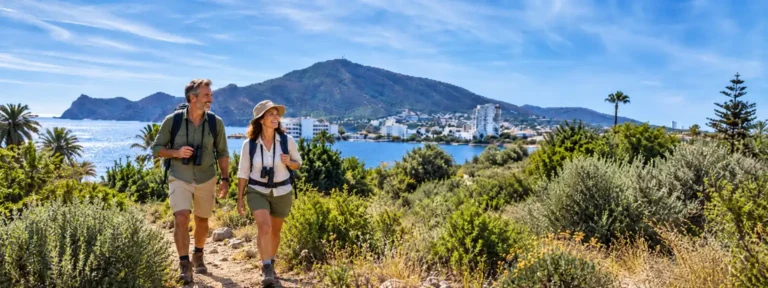
And what if you then want to live in El Albir?
A season lets you try out your own routine: doing the shopping, getting around, seeing the area at night and seeing how you feel once the first few weeks have passed. If you then think about staying, the next step is the guide to living here.

Back to the El Albir guide · Any questions? Write to me
I'm Daniel and I've lived in El Albir since 2007. LiveinAlbir.com started because so many people would stop me in the street to ask where to eat, where to stay, which areas are worth it and what living here is really like.
Questions about El Albir? Write to me and I will get back to you.
You might also be interested in
If you have visitors coming, start with what to see in El Albir. For a change of scenery during your stay, look at the nearby villages. And if after a few weeks you’re thinking of staying, carry on with the guide to living here.